
Kill Tooth Pain Nerve in 3 Seconds Permanently: What Actually Works
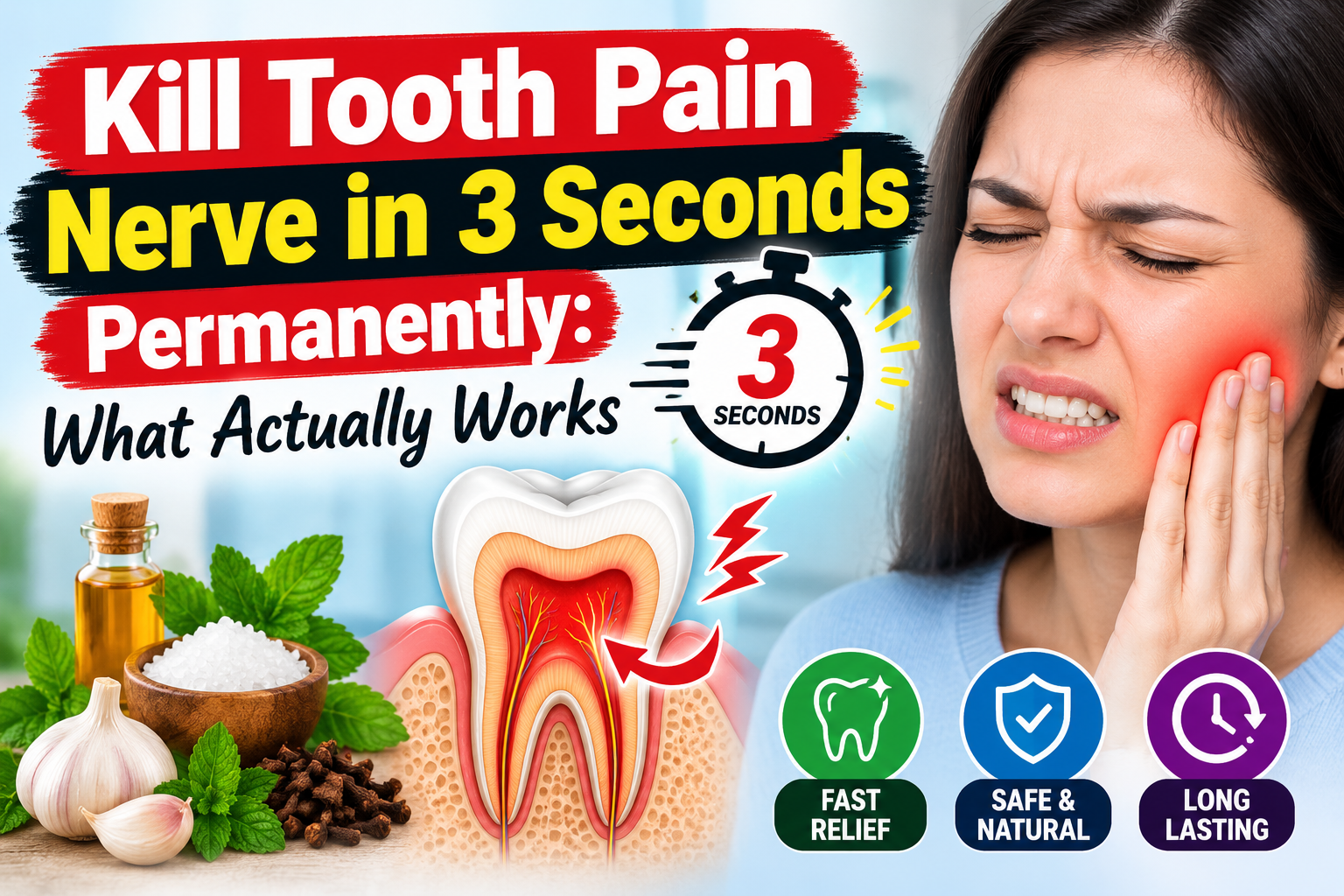
If you’ve searched for a way to “kill tooth pain nerve in 3 seconds permanently,” you’re probably dealing with real, intense pain right now and you want it gone immediately. Unfortunately, no method exists that eliminates nerve pain in three seconds and makes it permanent. Tooth nerve pain has an underlying cause, and true, lasting relief only comes from treating that cause.
The good news is that there are fast, safe ways to calm the pain significantly within minutes, along with permanent solutions a dentist can provide. This guide walks through both, so you know what to do right now and what to expect long-term. If you’re also dealing with sensitivity issues in general, our guide on causes and treatments for sensitive teeth is worth a read too.
Why There’s No 3-Second Permanent Fix
Tooth nerve pain usually comes from one of two sources:
- Pulpal sensitivity pain from a damaged nerve inside the tooth, often caused by decay, a crack, infection, or an old filling breaking down.
- Dentinal sensitivity more widespread sensitivity caused by worn enamel, receding gums, or exposed tooth roots.
In both cases, the nerve itself is reacting to a real, physical problem. Numbing it temporarily can dull the sensation, but the nerve and the underlying issue are still there. Permanently resolving that pain means treating the tooth itself something that takes a dental visit, not a home trick.
Fast, Safe Ways to Calm Tooth Nerve Pain Right Now
While nothing works instantly and permanently, these methods can bring noticeable relief within minutes and are safe to use while you arrange a dental appointment.
1. Warm Salt Water Rinse
Mix about half a teaspoon of salt into a glass of warm water and swish it around your mouth for 30 seconds before spitting it out. Salt water acts as a natural antimicrobial and helps reduce inflammation in the gum tissue surrounding the tooth, which can noticeably ease pain.
2. Cold Compress
Hold a cold pack (or ice wrapped in a cloth) against the outside of your cheek, near the painful tooth, for 15–20 minutes. The cold narrows blood vessels in the area, which slows down pain signals and reduces swelling.
3. Clove Oil
Clove oil contains eugenol, a natural compound with pain-relieving and antiseptic properties, and has been used for centuries as a traditional remedy for tooth pain. Dab a small amount onto a clean cotton ball and apply it gently to the affected tooth avoid rubbing directly on the sore spot if it triggers sharp pain.
4. Over-the-Counter Pain Relievers
Medications like ibuprofen or acetaminophen can reduce both pain and inflammation. Always stick to the recommended dosage on the packaging.
5. Stick to a Soft-Food Diet
Until you see a dentist, avoid chewy, crunchy, very hot, or very cold foods. Soft options like yogurt, mashed potatoes, or smoothies reduce the chance of triggering sharp nerve pain while you eat.
One Common Mistake to Avoid
A well-known home remedy myth suggests placing an aspirin tablet directly against the gum near the painful tooth. This should be avoided — aspirin is acidic, and holding it against soft gum tissue can cause a chemical burn. Pain relievers should always be swallowed as directed, not applied topically to the mouth.
When Home Remedies Aren’t Enough
Home remedies are meant to bridge the gap until you can see a dentist — not replace treatment. You should book an appointment as soon as possible if you notice:
- Pain that lingers well after hot or cold exposure
- Sharp, throbbing pain that worsens at night
- Swelling in the jaw or gums
- A foul taste or persistent bad breath
- A small, pimple-like bump on the gum (a possible sign of an abscess)
These symptoms usually point to an infection or deeper structural damage that will only get worse without professional treatment.
Permanent Solutions a Dentist Can Provide
If you actually want to “kill” tooth nerve pain for good, these are the real permanent options:
- Fillings – for cavities causing nerve irritation
- Root Canal Therapy – removes infected or damaged pulp tissue, cleans the canal, and seals the tooth to stop pain at its source while saving the natural tooth
- Crowns – protect a tooth after a root canal or repair one weakened by decay or cracks
- Extraction – used as a last resort when a tooth is too damaged to save
A dentist will examine the tooth, possibly take an X-ray, and recommend the right treatment based on how serious the underlying issue is. For a closer look at what a root canal actually involves, see our detailed guide on what to expect during a root canal procedure.
How to Prevent Tooth Nerve Pain in the Future
Once your current pain is treated, a few habits go a long way toward avoiding a repeat:
- Brush twice daily with fluoride toothpaste and floss every day.
- Limit sugary foods and drinks that contribute to decay.
- Get regular dental check-ups so small issues are caught early.
- If you grind your teeth at night, ask your dentist about a mouthguard.
- Consider a desensitizing toothpaste if you have ongoing sensitivity.
Final Thoughts
There’s no real way to kill a tooth nerve in three seconds and make the fix permanent — but you don’t need one. Salt water rinses, cold compresses, clove oil, and over-the-counter pain relief can bring fast, meaningful relief while you arrange to see a dentist, and treatments like fillings or root canals can resolve the pain permanently by addressing what’s actually causing it. If pain persists or worsens, don’t wait it out — see a dentist as soon as you can. For more on keeping pain from coming back, check out our guide on daily oral hygiene habits that prevent dental problems.